
Supplementary Cementitious Materials (SCM) Milling for “Greener” Cement Production
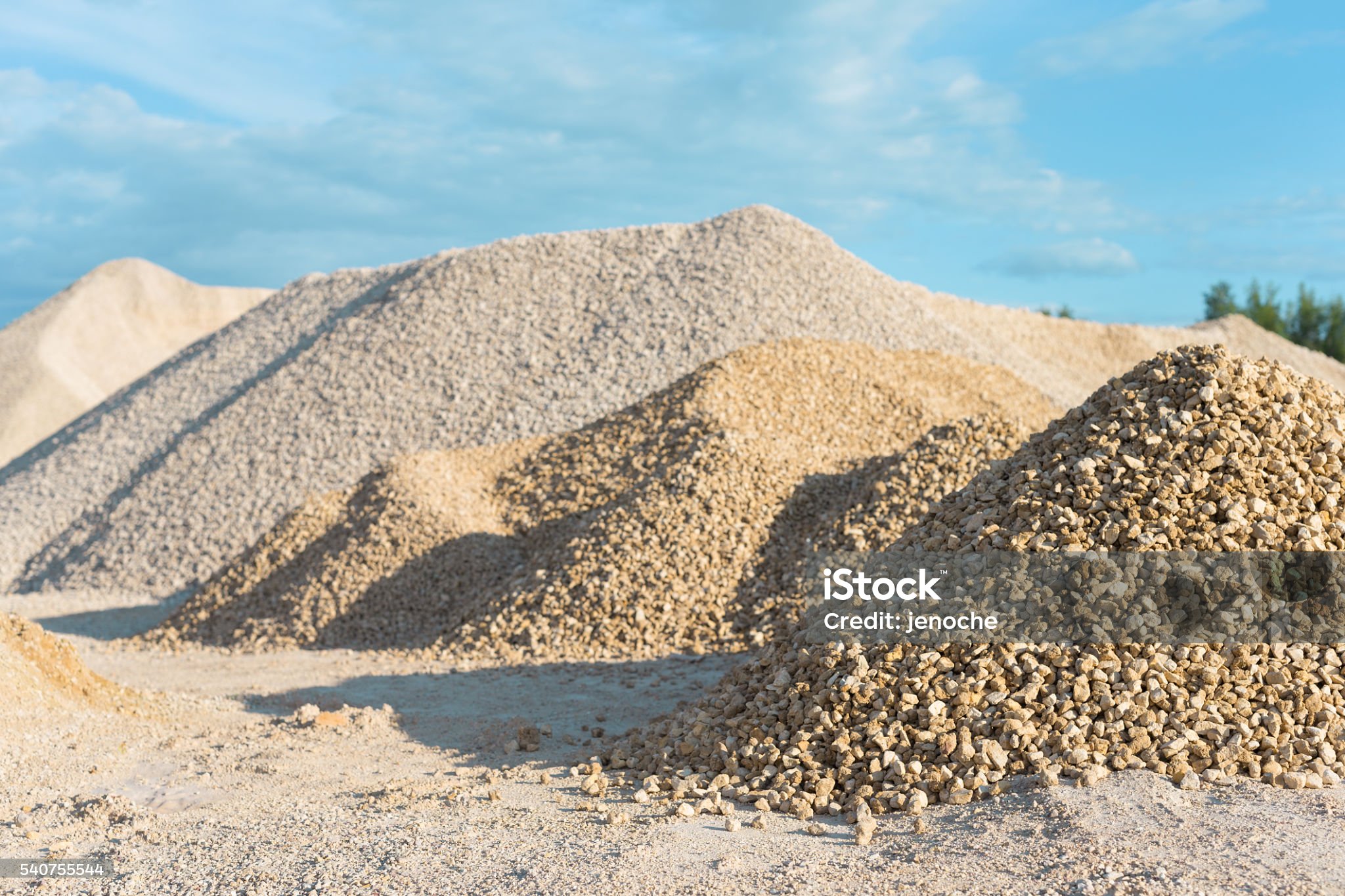
As the cement industry shifts toward lower carbon footprints, the use of Supplementary Cementitious Materials (SCMs) – such as calcined clays, fly ash, slag, and natural pozzolans – is becoming the new standard. However, integrating these materials into existing production lines creates a unique manufacturing challenge: the materials used to make “green” cement behave differently than traditional clinker.
The Benefit of Shearing Forces in SCM Grinding
Traditional clinker used as the primary ingredient in cement is brittle; it cracks easily under the impact and compression forces of a massive ball mill. In contrast, many emerging SCMs, particularly calcined clays, possess an elastic or “rubbery” consistency.
When these materials are processed in a traditional ball mill, they resist cracking, absorbing the impact energy instead of shattering. This “cushioning” effect wastes significant energy and reduces the efficiency of the main grinding circuit. To process SCMs effectively, you need shear force – material trapped between two hard surfaces and torn apart – rather than simple impact. This is where Bradley’s pendulum mill technology excels.
The “Complementary Grinding” Solution
Many cement producers face a difficult choice: lower the output of their main 200-ton-per-hour mill to accommodate a 10-20% SCM blend, or invest in massive new infrastructure.
Bradley proposes a more efficient third option: Complementary Grinding.
By installing a mid-sized Bradley mill alongside your existing vertical or ball mill, you create a dedicated circuit for additives. This approach offers two distinct competitive advantages:
- Increased Plant Capacity: Rather than displacing clinker production in your main mill, you run the main mill at full capacity and add 20 tons/hour of SCM production via the Bradley mill. You are blending after grinding, effectively increasing your total market output.
- Optimized Energy Use: You stop forcing a massive machine to do a small, inefficient job. The Bradley mill handles the SCMs using the specific mechanical forces (shear) best suited for them, while the main mill continues to do what it does best.
Advantages of Bradley Mills for SCM Producers
Bradley Pulverizer specializes in the mid-capacity, energy-efficient grinding systems that serve as the perfect complement to larger production circuits.



The Future of “Green” Cement
The transition to “green” cement is not just a change in chemistry; it is a change in physics. By adopting a complementary grinding strategy, manufacturers can meet new environmental specifications and handle diverse SCM characteristics without sacrificing profitability. A Bradley mill effectively acts as an agile “sidecar” to your main production, ensuring that as regulations evolve, your plant remains efficient, compliant, and structurally sound.